
It starts on the buying side of the counter.
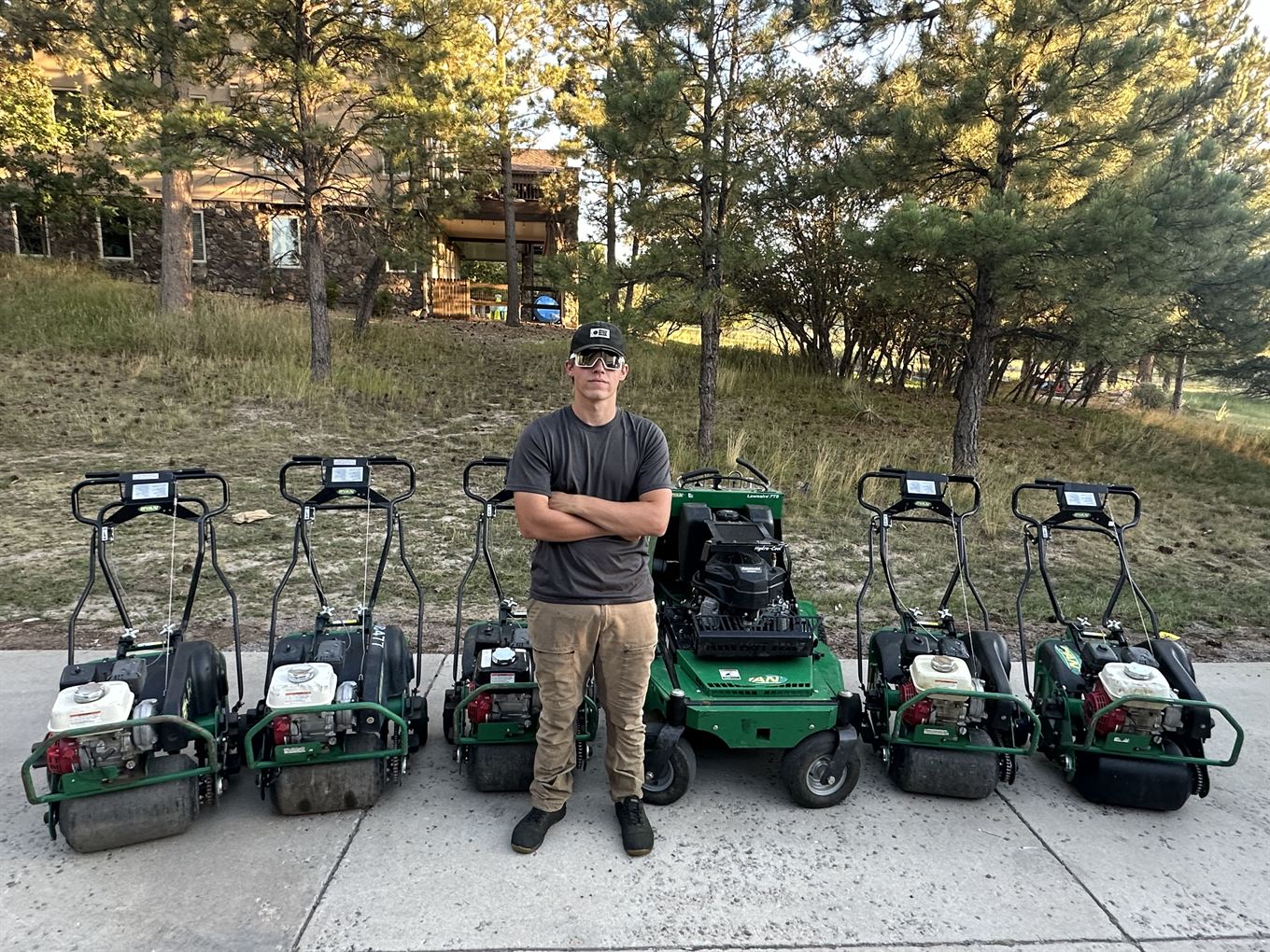
I grew up in Parker, Colorado, and I spent my time in supply yards as the customer, because I ran a landscape company. Landscaping runs on material: mulch, soil, rock. All of it comes from a yard.
Here is what buying it actually looked like. Prices lived in phone calls. You call a yard, you get the counter if you're lucky and a voicemail if you're not, and then you wait on the callback. And even with a number in hand, you never really knew whether the yard across town had the better price, because finding out meant another call and another wait. Nobody phones six yards for one load. You call one or two, take the answer, and get on with the day.
That is the gap Pilebase exists to close: the yards near you in one place, real prices where yards publish them with the date each was confirmed, and a person chasing the quote when they don't.
Ask an AI chatbot what landscape material costs near you and it will give you an answer. That answer isn't tied to your local yard's price sheet.
Pilebase reads a yard's own price list, where it publishes one, and shows you the price in the unit the yard sells by, with a link to the page it came from and the date it was read. Here is one, read within 30 days of when this page was built.
Topsoil the yard calls it “Screened Topsoil”
$20.00 / yard
A yard in Victor, MT
read from their published page
For a chatbot to give you this answer, it would have to find this yard, read this page, and tell you the day it read it.
Where a yard publishes no price, we do not estimate one. We say “call for price” and give you the yard's phone number.
Pilebase is not affiliated with this yard. The price above is the one it published on its own page.
The office was its own line to stand in. Park the truck. Walk in. Wait my turn. Place the order. And when the load was priced by weight, do it all again: once to order, once after the scale. Two walks into the same office for one load.
At the time I did not call any of it a problem. It was just how you bought material. You called, you waited, you walked, you got on with the day.
The company was Karel Brothers Landscaping. Despite the name, I started it alone, at 16. I sold it on my 18th birthday. In between I managed 12 people and over 200 recurring properties, maintenance and installs both.
Year one was mowing. It grew fast into full service lawn work: weekly routes, aeration, overseeding, dethatching. Year two I added a landscaping crew and we took on the heavy work: retaining walls, paver patios, irrigation, mulch and rock, new beds. Mowing lawns at 16. A crew building patios at 17.
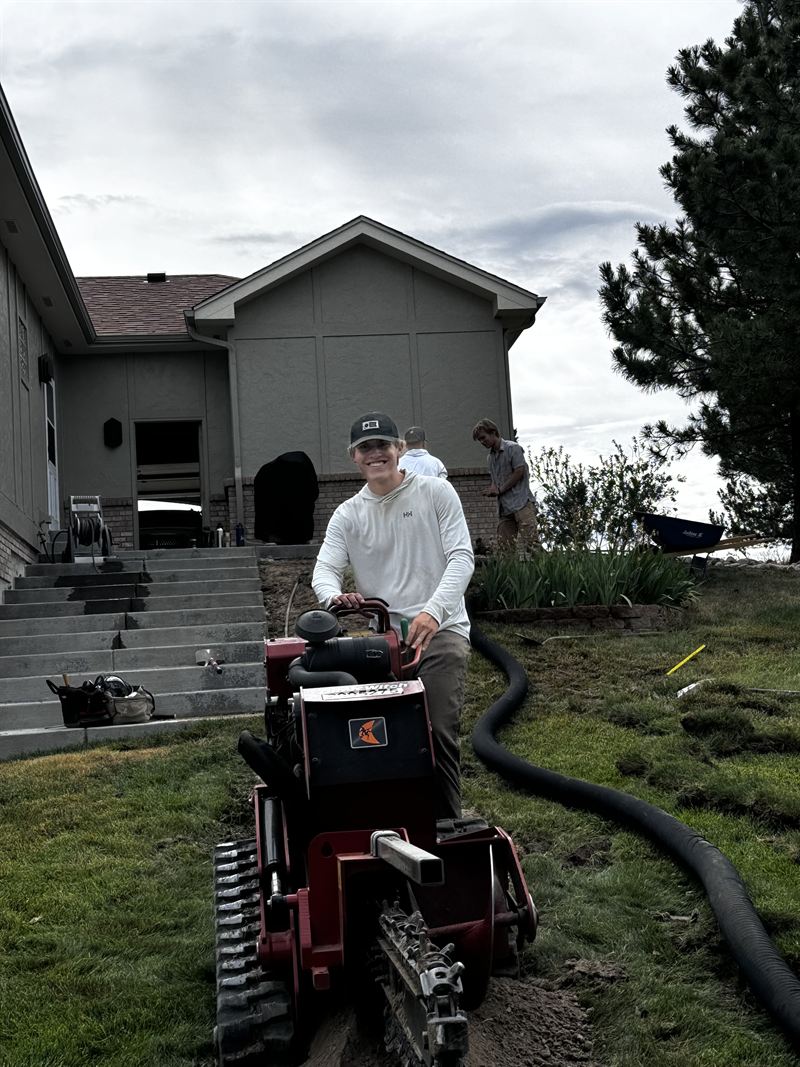
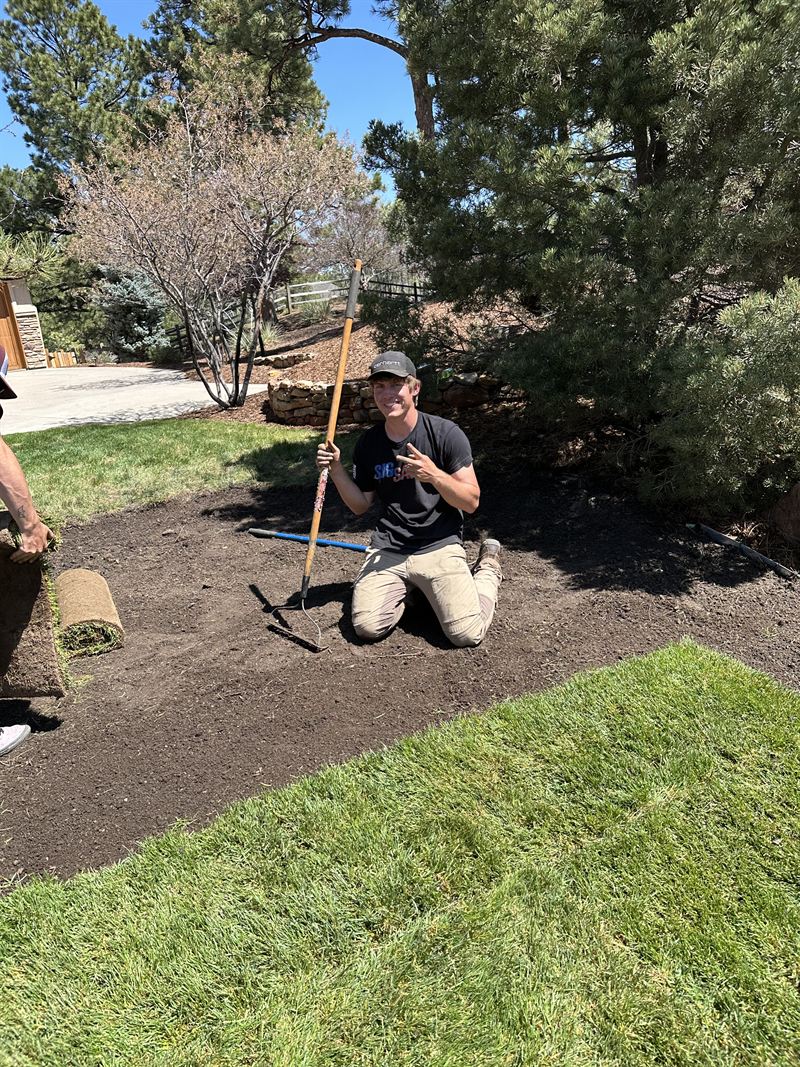
Running it taught me what no class covers: quoting work so there is still margin left after fuel and payroll, scheduling a week that falls apart by Tuesday, being responsible for twelve paychecks before I could vote.
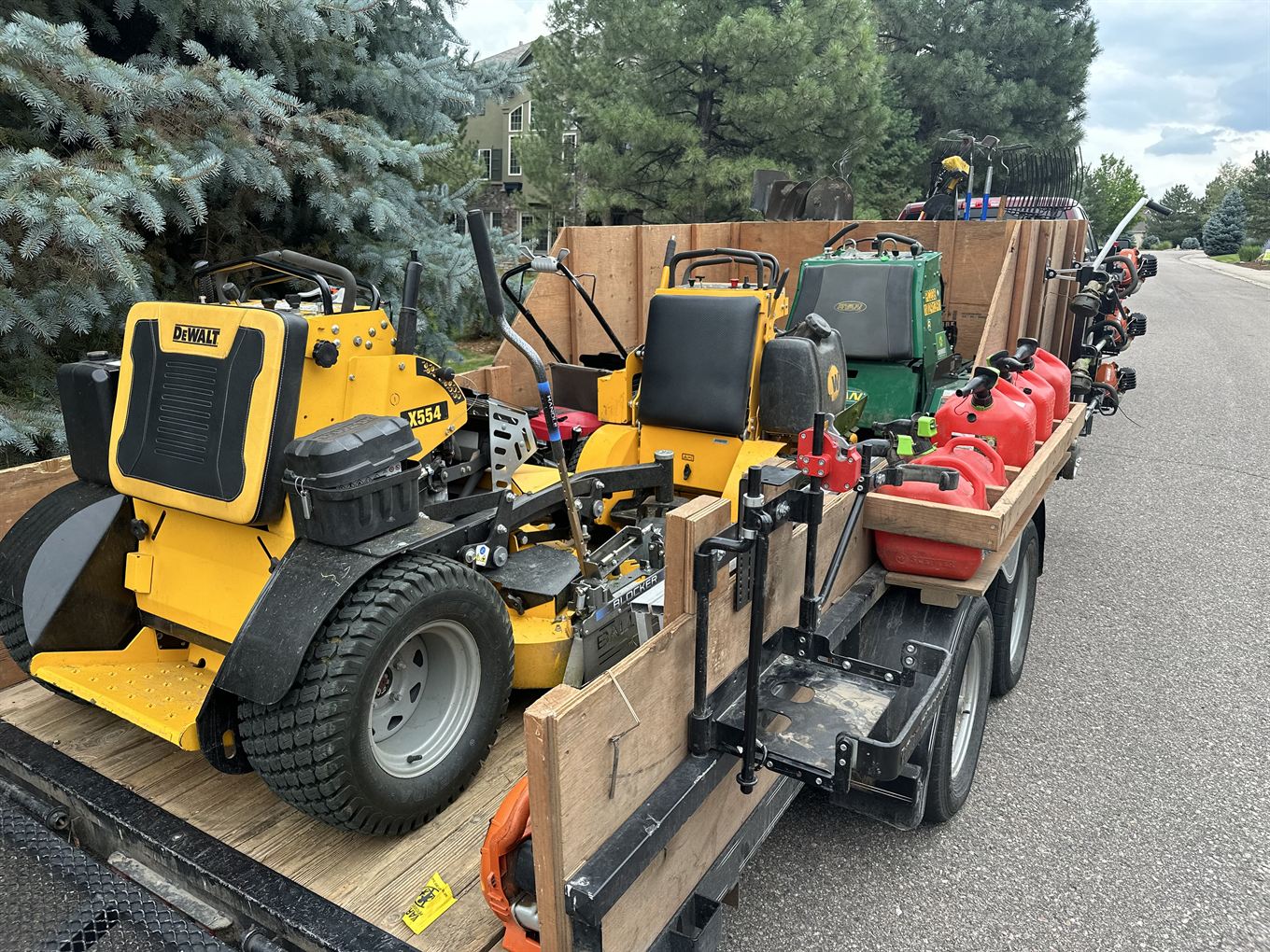
It also put me on the buying side of the counter, over and over. That is where the noticing started.
Two things showed up almost everywhere I bought.
The software. I watched yards run on basic software, or on paper receipts. Real businesses moving real volume, on tools that gave them nothing back.
The delivery pricing. Fees came off a zone chart, and the zone knew almost nothing. Not my actual address. Not the material on the truck. Not what fuel cost. I thought delivery pricing could be honest about all three. I still think that, and it is one of the reasons this product exists.
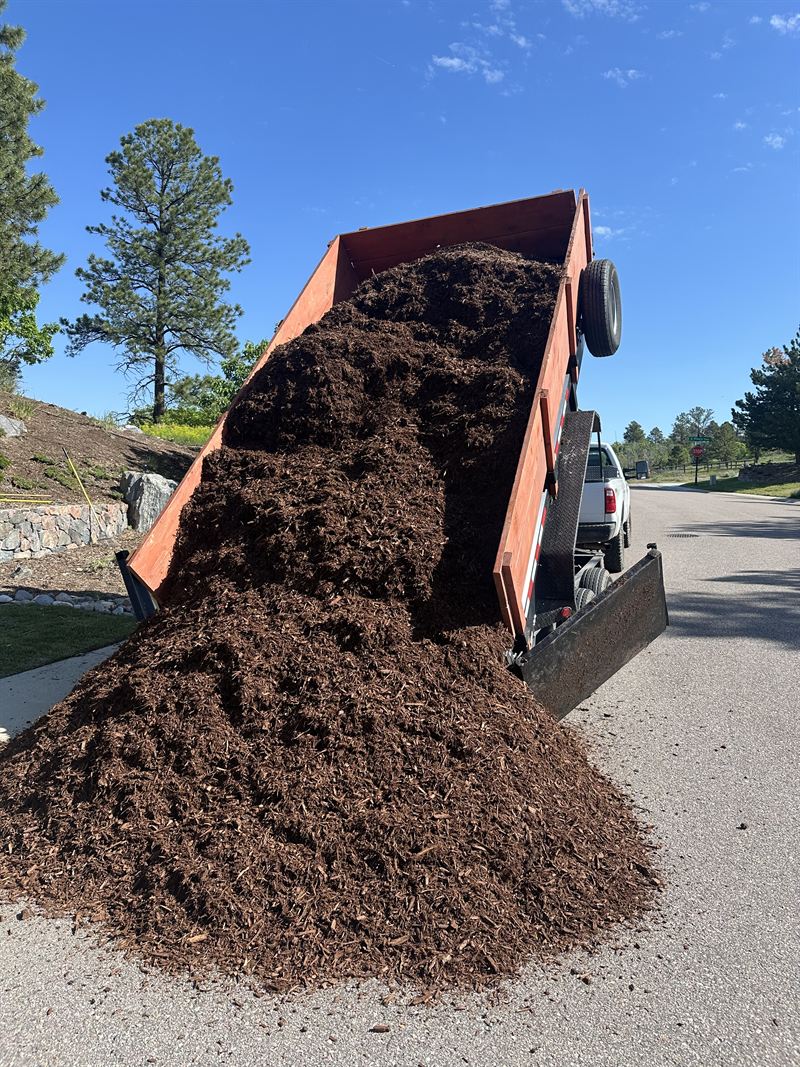
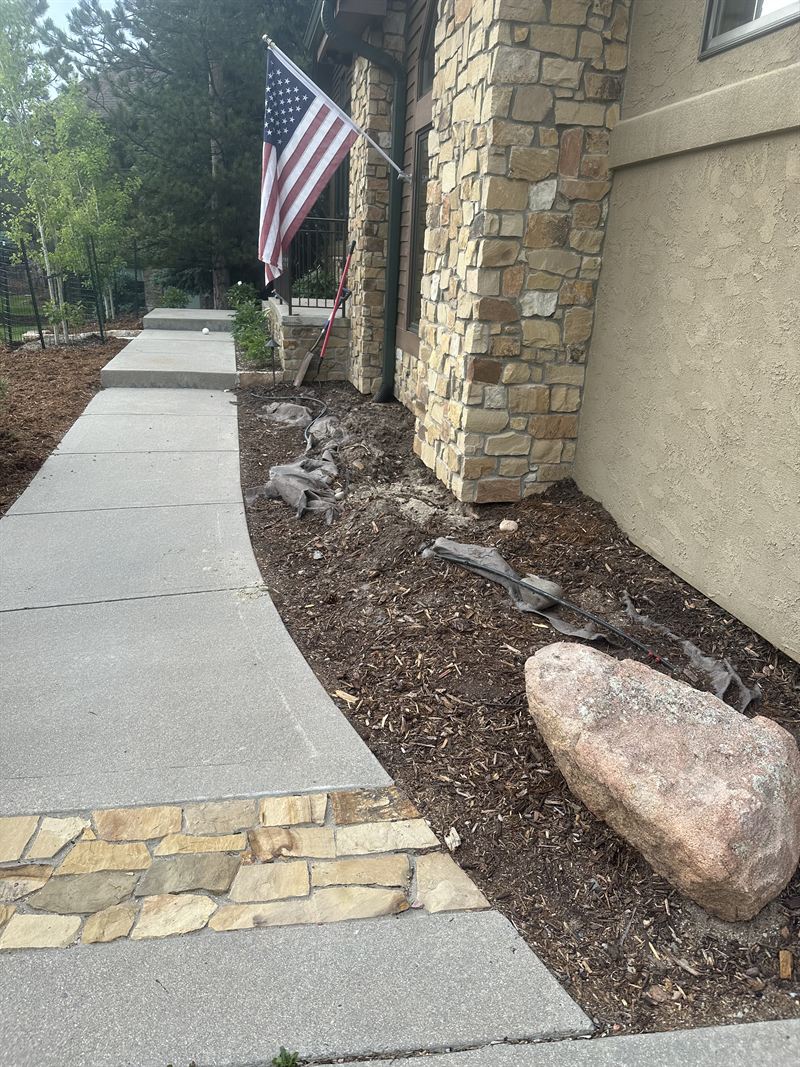
The idea did not show up while I was running the company. Back then the friction was just the job. It showed up after I sold it, when I sat down and went through the problems I had lived with in the business, one by one, to decide what to build next. Most of them had an answer somewhere. Buying material did not: not the calls, not the callbacks, not the office line, not the mystery of who actually had the better price. I kept landing on the same question: why is this not a thing.
Pilebase is the thing I wished existed when I was the customer. The yards across town on one page, so the better price stops being a mystery. Prices with the date they were confirmed, so a number means something. Ordering without the phone tag or the office line. And when a yard doesn't publish a price, a real person gets the quote so you don't have to wait on the callback alone.
For the yards, it is the other half of the same fix: the software I wished they had when I was buying from them. Ordering without the walk to the office. A counter that is not a bottleneck. Numbers an owner can actually see.
These days I am at KU, a finance and accounting double major. That is not a detour from this work, it is the same work. A supply yard is a margin business, and most of what good software can do for one comes down to the numbers: what an order is really worth, what a delivery really costs, where the money quietly goes. I study that, and I build this.
If you own a yard, or run one, I would like to hear how yours works today. What takes your time, what you use for orders, what you would never give up. Those conversations shape what gets built next.
Reach out and it lands with the team, and the reply will be about your yard, not a script.